
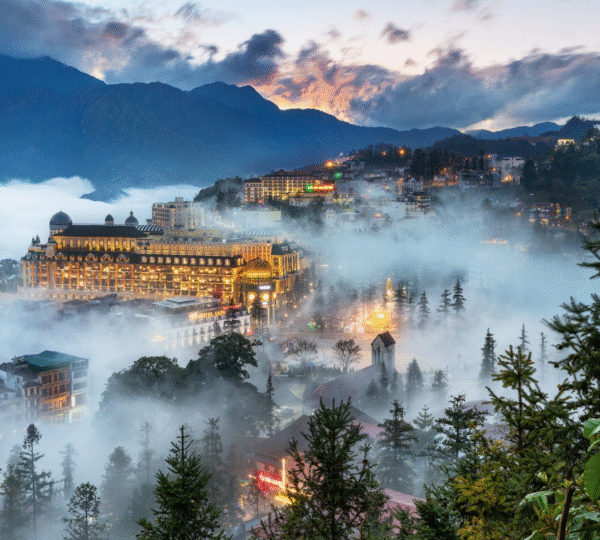
Welcome to this Sapa Travel Guide, where mist-shrouded rice terraces, vibrant hill-tribe villages and the soaring peaks of Vietnam’s north-western highlands come together to create something unforgettable. Tucked away in the Hoàng Liên Son range, Sapa invites you to slow down, breathe deeply, and experience a different rhythm of life.
Why Visit Sapa?
In many ways, Sapa feels like a world apart from Vietnam’s bustling metropolis and beach resorts. It’s a place of cool mountain air, sweeping landscapes, and cultural richness rooted in centuries-old traditions. Visitors come here for:
-
The dramatic rice terraces cascading down hillsides, changing colours with each season
-
Immersive trekking through valleys and villages inhabited by ethnic-minority groups such as the H’Mong, Dao and Tay.
-
The chance to ascend (or at least gaze upon) the mighty Fansipan Peak — known as the “Roof of Indochina”
-
A slower pace, where sunrise over misty peaks feels like meditation.
Best Time to Visit
Choosing when to go can shape your entire experience. Here’s a rough guide:
-
March-May (Spring): Crisp mornings, fresh green terraces, and mild trekking weather
- June-August (Summer): Lush and vibrant, yet rain-prone and trails can be muddy.
-
September-November (Autumn): Often hailed as the most picturesque time – golden rice fields, clear skies, and comfortable temperatures
-
December-February (Winter): Cold and atmospheric, with fog or frost, which makes it ideal for moody mountain vibes.

How to Get There & Around
Getting There
Starting from Hanoi, your journey options include:
-
Overnight train to Lao Cai (approx. 8 hours) followed by a bus/taxi up to Sapa
-
Direct bus or van from Hanoi (approx. 5-6 hours) – more comfortable and convenient
-
Private car or driver – gives maximum flexibility (especially if you want to stop off or explore side-routes).

Moving Around in Sapa
Once in town, Sapa is compact enough to explore on foot. For excursions into valleys, villages or passes:
-
Join a local guided trek – many village guides lead these routes
-
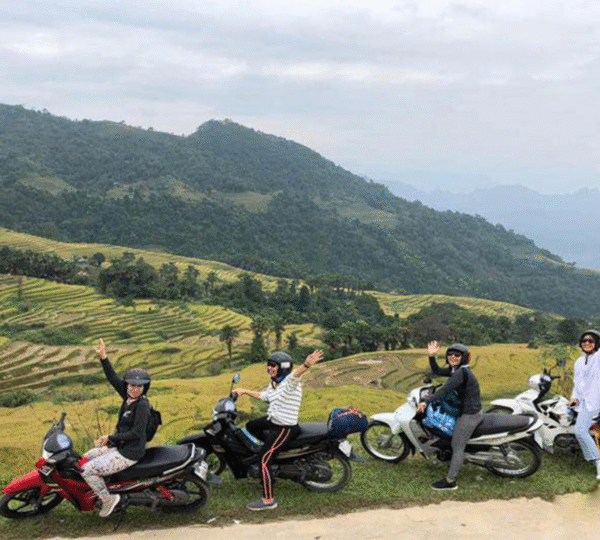
Rent a scooter or motorbike if you’re comfortable (and weather is good)
-
Be aware that roads can be steep and winding, especially when climbing out of town.
Top Things to Do
Here are some must-include activities for your Sapa itinerary:
-
Trek through the Muong Hoa Valley – you’ll wander among rice terraces and pass through villages like Lao Chai and Ta Van.
-
Visit ethnic-minority villages – connect with H’Mong and Dao communities, learn about their traditions, and see how mountain life works

-
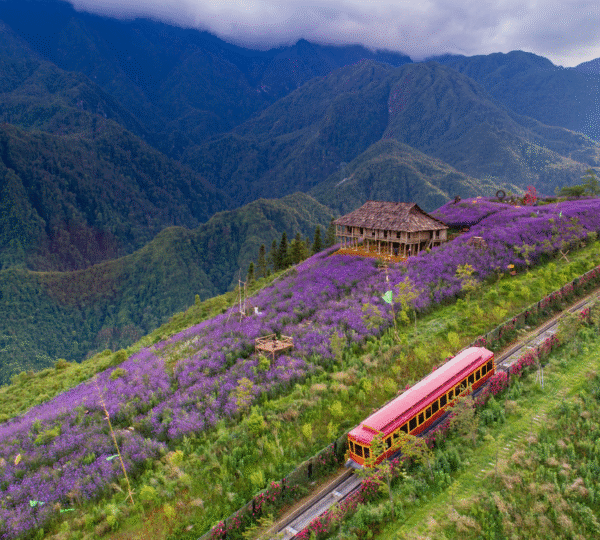
Climb or cable-car to Fansipan Peak – a highlight for the views and sense of achievement
-
Explore Sapa town centre – the market, lakeside views, café scene and colonial architecture give you a relaxed morning or evening in town

-
Side-trips to natural landmarks – look for waterfalls (Silver Waterfall, Love Waterfall), high passes and hidden spots off the beaten path.
Where to Stay
Your accommodation choice will influence your experience:
-
Town hotels or boutique lodges offer comfort and easy access
-
Village homestays provide deeper cultural immersion — staying in a local family’s home can lead to unforgettable memories
-
Stay at least 2-3 nights: this gives enough time to settle in, explore and not rush through.

Local Food & Drink Highlights
Mountain climates bring heartier food and local specialities:
-
Try mountain-hog or local pork dishes, often grilled or roasted
-
Fresh vegetables, bamboo shoots and herbs grow abundantly
-
Sticky rice, corn wine and strong Vietnamese coffee with a view are simple pleasures not to be missed
-
Also look out for traditional soups of the region’s ethnic groups.

Travel Tips & Respectful Tourism
-
Bring warm clothing regardless of season – nights can drop and mist can settle in
-
A pair of sturdy walking shoes or boots will serve you well on uneven trails
-
Hire a local guide if you can – it supports the community and often enhances your experience
-
Be culturally sensitive: ask permission before photographing people, especially children in villages
-
Expect unpredictable weather – mountain towns tend to change quickly; flexibility is key.
This Sapa Travel Guide is your starting point – but Sapa’s true magic lies in the moments between the map lines: waking up to mist, hearing children’s laughter in a village, looking out across endless green ridges. Go with an open heart, a bit of curiosity and the freedom to slow down. You’ll find that the journey becomes part of the destination.